


If you love paddling, whether by canoe or kayak, and enjoy being part of a welcoming community, then the Wensum Ospreys in Fakenham is a place you should definitely explore. Nestled in the beautiful Norfolk countryside, this club offers more than just water sports. It’s a vibrant local paddling community where you can improve your skills, meet like-minded people, and enjoy the stunning waterways around Fakenham.
Why Join a Local Paddling Community?
Joining a local paddling community like the Wensum Ospreys brings many benefits. First, it’s about safety. Paddling with others means you have support if anything unexpected happens on the water. It’s also a great way to learn new techniques and improve your confidence. Experienced paddlers often share tips and advice, making it easier for beginners to progress.
Beyond the practical side, being part of a community adds a social dimension to your paddling adventures. You’ll find regular meet-ups, group paddles, and events that make every outing more enjoyable. Plus, it’s a chance to connect with people who share your passion for the outdoors and water sports.
If you’re new to the area or paddling in general, joining a local group can help you discover the best spots to explore. The Wensum Ospreys, for example, know the waterways around Fakenham inside out. They can guide you to hidden gems and safe routes that you might not find on your own.
Exploring the Waterways Around Fakenham
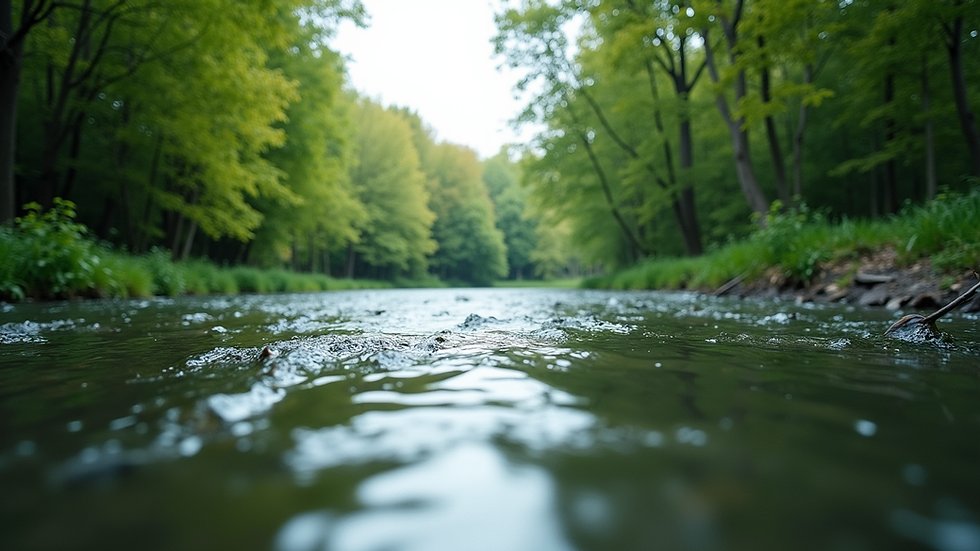
Fakenham is surrounded by beautiful rivers and lakes, perfect for paddling. The River Wensum, in particular, offers calm waters and scenic views that make every trip memorable. As you glide along, you’ll see lush greenery, wildlife, and peaceful countryside that feels a world away from busy town life.
The Wensum Ospreys organise regular paddling trips on these waterways. Whether you prefer a gentle paddle or a more challenging route, there’s something for everyone. They also run skill-building sessions to help you handle different water conditions and improve your technique.
If you’re planning a day out, pack a picnic and enjoy a break by the riverbank. Many spots along the Wensum are perfect for relaxing and soaking in the natural beauty. Don’t forget your camera – the views are truly picture-perfect.
Getting Started with the Wensum Ospreys
Joining the Wensum Ospreys is straightforward and welcoming. They cater to all skill levels, from complete beginners to seasoned paddlers. When you sign up, you’ll get access to expert coaching, equipment hire, and a friendly network of paddlers.
One of the best ways to get started is by attending an introductory session. These are designed to help you get comfortable on the water and learn the basics of paddling safely. The club provides all the necessary gear, so you don’t need to worry about buying your own equipment right away.
The club also values safety highly. They ensure all members understand water safety rules and provide guidance on how to handle emergencies. This focus on safety makes it a great environment for families and individuals who want to enjoy paddling with peace of mind.
Building Friendships and Memories on the Water
What makes the Wensum Ospreys truly special is the sense of community. It’s not just about paddling; it’s about building friendships and sharing experiences. Many members say that the social side of the club is just as important as the sport itself.
Throughout the year, the club hosts social events, barbecues, and group outings. These gatherings are perfect for meeting new people and relaxing after a day on the water. Whether you’re paddling solo or with family, you’ll find a warm welcome here.
The club also encourages members to get involved in volunteering and helping with events. This creates a strong bond among members and helps the club grow as a community hub for paddling enthusiasts.

How to Make the Most of Your Paddling Experience
To get the best out of your time with the Wensum Ospreys, here are some tips:
Attend regular sessions - Consistency helps you improve faster and build confidence.
Try different routes - Exploring new waterways keeps paddling exciting and broadens your skills.
Join social events - These are great for making friends and feeling part of the community.
Ask questions - Don’t hesitate to seek advice from experienced paddlers.
Respect the environment - Keep the waterways clean and be mindful of wildlife.
By following these simple steps, you’ll enjoy a richer, safer, and more rewarding paddling experience.
If you want to learn more or join the club, check out the wensum ospreys fakenham website. It has all the details on membership, events, and how to get started.
Embrace the Adventure and Join the Wensum Ospreys
Discovering the Wensum Ospreys in Fakenham opens up a world of paddling adventures and community spirit. Whether you’re looking to improve your skills, enjoy peaceful days on the water, or meet new friends, this club offers a welcoming and safe environment.
So why wait? Grab your paddle, join the club, and start exploring the beautiful waterways of Norfolk. The Wensum Ospreys are ready to welcome you into their friendly local paddling community. Your next great adventure is just a paddle stroke away!
